

You don’t have to navigate this alone.
Whether you’ve been recently diagnosed, are going through treatment, recovering from breast cancer or supporting someone who is, we are here to help.
- Emotional Support: We provide a listening ear when it’s needed most.
- Practical Support: Assisting people in need of support bras, in collaboration with Marks & Spencers.
- A Supportive Community: We bring people together through events, campaigns and support activities.
- Information: We provide guidance at every stage of the breast cancer journey, and signposting to relevant services.
- Support for Family & Friends: We share resources for those supporting someone through breast cancer.
Understanding Breast Cancer






Breast Screening with the GHA
Breast screening is a way of checking for early signs of breast cancer in people who do not have any symptoms. It uses a special X-ray, called a mammogram, to look for changes in the breast that may be too small to see or feel.
Finding breast cancer early can improve the chances of successful treatment. However, screening cannot detect every breast cancer, so it is important to be aware of any changes in your breasts between appointments.
Remember: If you notice an unusual change, contact your GP rather than waiting for your next screening appointment.
Routine breast screening is offered to women aged 40 to 70, with invitations issued every two years. If you are eligible, you should receive an invitation from the Gibraltar Health Authority (GHA) to attend
a mammogram.
If you are over 70, you can contact the GHA Radiology Department to arrange screening through self-referral.
If you are under 40, routine screening is not generally offered through this programme. However, if you notice any unusual breast changes at any age, contact your GP.
If you have questions about your eligibility, contact the GHA Breast Screening Service for advice.
If you are eligible for breast screening but have not received an invitation, don’t worry. You can contact the GHA Radiology Department to check your details and ask about arranging an appointment.
GHA Breast Screening contact details
- Telephone: 200 72266, extension 2214
- Email: breastscreening@gha.gi
You can also enquire in person at Radiology reception.
If you have noticed a breast change or have any symptoms, contact your GP rather than waiting for a screening appointment.
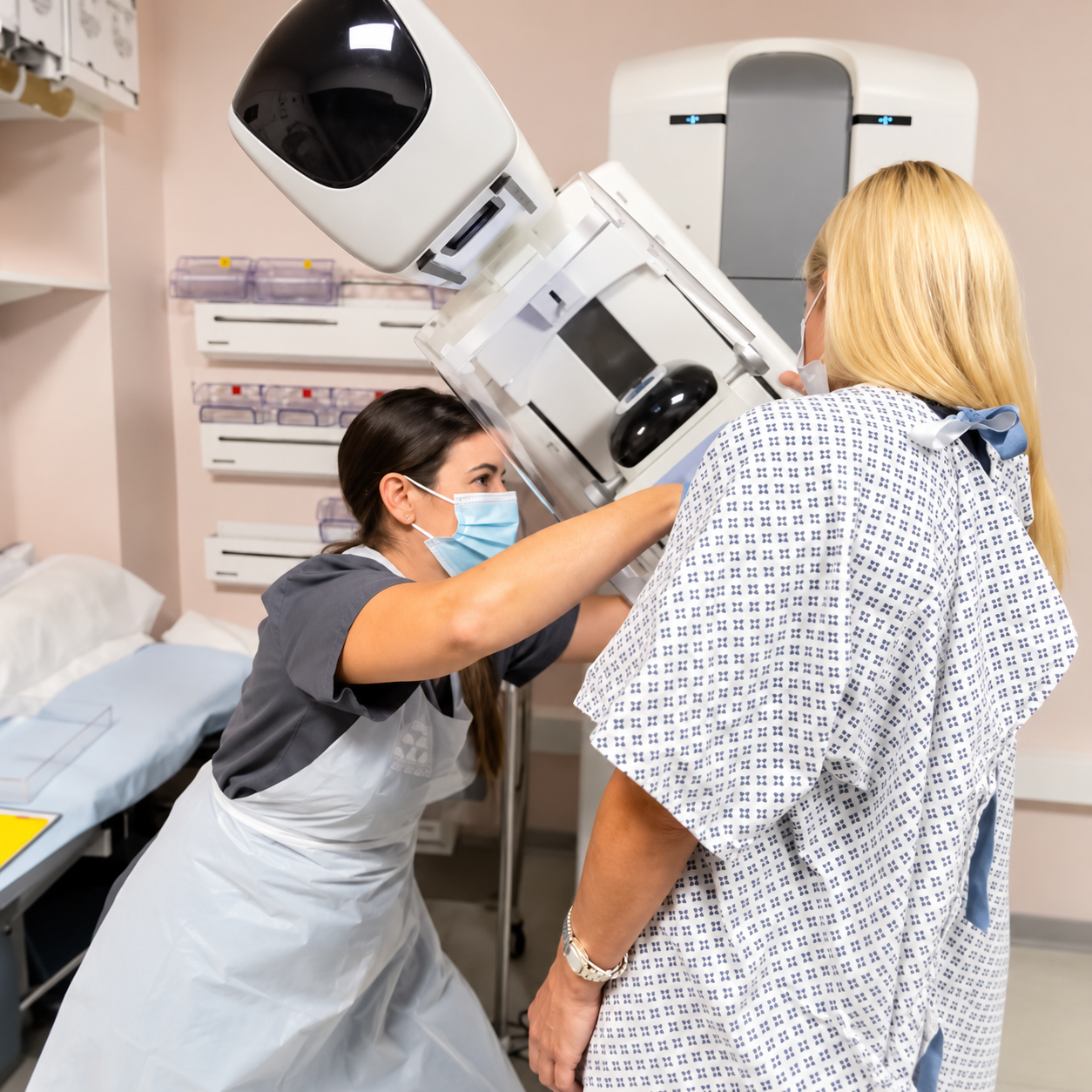
A mammogram is a breast X-ray carried out by a trained mammographer. The appointment is usually straightforward and only takes a short time.
During your appointment:
- You will be asked to undress from the waist up, usually behind a screen or in a private changing area.
- The mammographer will position one breast at a time on the mammography machine.
- A clear plate gently but firmly compresses the breast while X-ray images are taken. This pressure lasts only a few seconds.
- The process is repeated to obtain the necessary images of both breasts.
Some people find a mammogram uncomfortable or painful, while others experience little discomfort. If you feel anxious or have any concerns, let the mammographer know.
Afterwards, you can get dressed and continue with your day. You will be advised how and approximately when to expect your results.
If you notice a change in your breast, try not to panic. Many breast changes are not caused by cancer, but it is important to get anything unusual checked by a healthcare professional.
Contact your GP if you notice:
- A new lump or swelling in your breast or armpit.
- A change in the size or shape of your breast.
- Dimpling or other changes to the skin.
- A change in your nipple, including it becoming inverted.
- Unusual nipple discharge, particularly if it contains blood.
- Any other change that is unusual for you.
Don’t wait for your next screening appointment. Contact your GP promptly for advice, even if you have recently had a normal mammogram.
Knowing what is normal for your breasts and noticing changes early are important steps in looking after your health.